Online Avatars and interactive “Merrythons” are the new cornerstones of the Starbucks marketing ecosystem. These gamified marketing experiences have officially taken the place of conventional digital campaigns that rely heavily on passive consumption. Starbucks, a global leader in the coffee industry, is spearheading a fundamental shift in brand communication. They are moving from Interruption to Interaction.
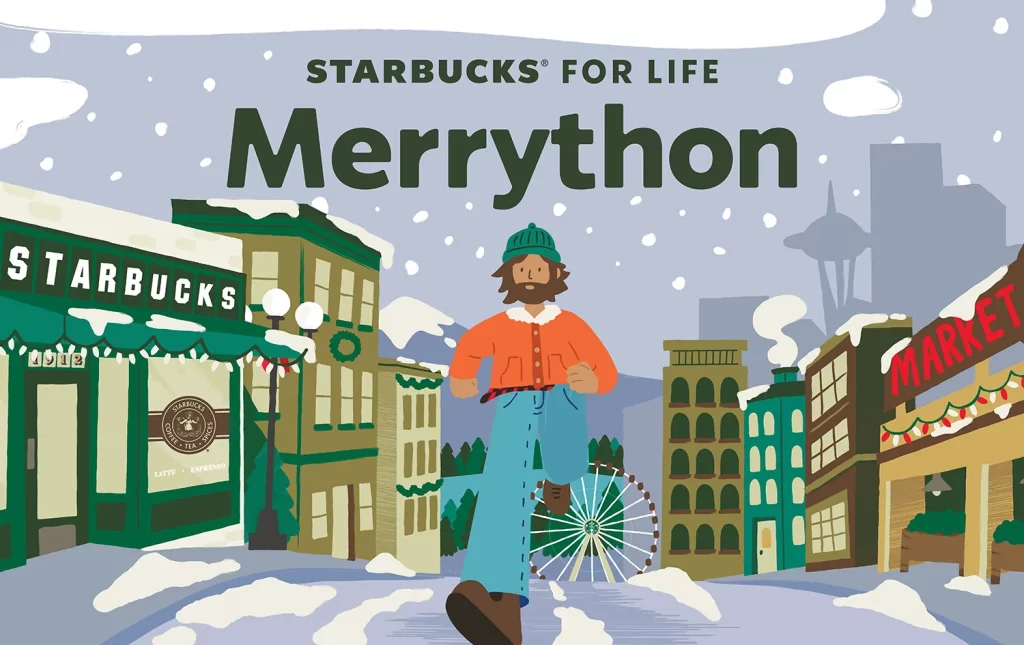
Source : https://about.starbucks.com/stories/2025/starbucks-for-life-returns-nearly-10-million-prizes-await-including-the-viral-glass-starbucks-bearista-cold-cup/
The “Commute Moment”: Attention is Won/ Lost
To understand why brands are turning so aggressively toward gamification, one only needs to look at a daily commute.
Picture a crowded metro train. Rows of people stand shoulder to shoulder. Despite the noise and the movement, there is a profound silence. The days of speaking with fellow passengers are largely gone. Every individual is hooked to their phone. In this environment, a traditional billboard outside the train window is invisible. Even a standard digital banner a d is likely to be swiped away in a millisecond.
But then, Bingo. A gamified campaign appears on the mobile screen. It is not an ad asking the commuter to buy. It is a challenge asking them to play. Suddenly, that passenger is not just “killing time.” They are unlocking a reward, maintaining a daily streak, or competing for a spot on a leaderboard. In that moment, the brand has done what no physical spectacle or static ad ever could. It has captured 100% of the user’s cognitive focus in the most competitive environment on earth.
The same logic applies to long hours spent in traffic. A traveler sitting in a taxi can only observe the scenery for so long. Sleeping is not always an option. Reading a physical book is no longer the go-to choice for most. Naturally, the traveler turns to their phone. However, after minutes of infinite scrolling, even familiar content starts to feel repetitive. When a gamified campaign appears at this exact moment of boredom, it provides a much-needed spark of excitement. The brand does not just win a click. It creates a memorable interaction.
Want to launch a customized gamified campaign for your brand?
Why “Passive” is Passing Away
Traditional digital marketing is useful, but it has become increasingly predictable. Consumers today often see the same concepts, the same designs, and the same taglines. Much of this feels like generic, AI-generated content. These ads either try to sell a product directly or use metaphors so complex they irritate the audience.
Where is the excitement? As a result, the modern consumer has developed a “reflexive ignore” for anything that feels like a traditional sales pitch. Audiences have become experts at scrolling past the noise.
However, engaging an audience remains essential for driving revenue. So, what do forward-thinking brands do? They provide gamified experiences. They have realized that Participation is the only cure for Ad-Blindness. When a user is given a task, a digital scratch card, a virtual map, or a progress bar, the chemistry of the interaction changes. The brand moves from a “Push” strategy (forcing a message) to a “Pull” strategy (inviting achievement).
The Psychology of the Hook: How it Works
Brands lean on three core psychological pillars that drive gamification ROI making it one of the most defensible marketing investments today:
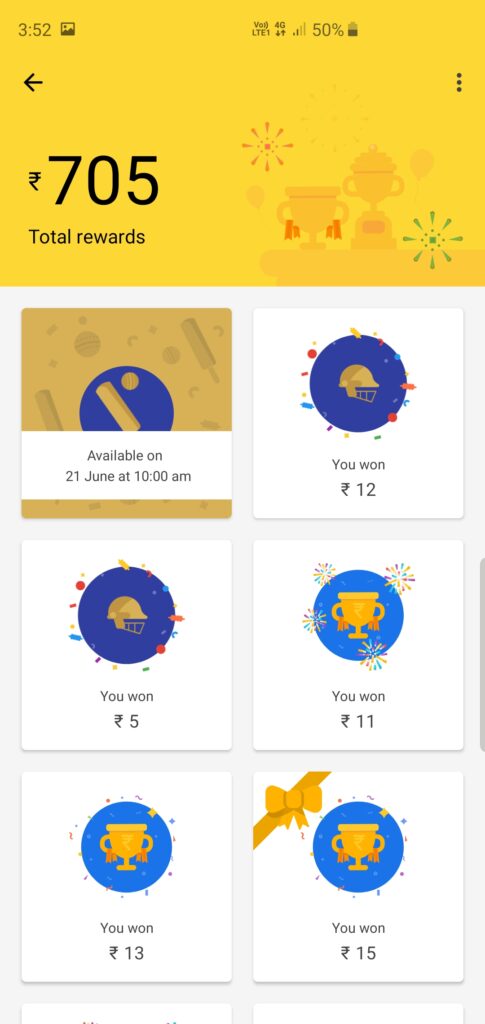
1. The Dopamine of Variable Rewards As pioneered by Google Pay, the “scratch card” mechanic is a powerful engagement tool. It is not just the value of the cashback that keeps people hooked. It is the mystery. When a user completes a task to earn a “mystery box,” the brain releases dopamine in anticipation of the reveal. That feeling is addictive. It is something a static billboard can never provide.
2. The Progress Principle and the “Streak” Humans are evolutionarily hardwired to finish what they start. This is often called the “Duolingo Effect.” By making progress visible, brands create a psychological “itch.” Showing users that they are 80% of the way to a reward compels them to finish the journey. On a long commute, “protecting a streak” becomes more important than mindless scrolling. The brand becomes part of the user’s daily ritual.
3. Identity and Digital Ownership When a brand allows a user to create an avatar or a profile within a challenge, it provides a sense of ownership. People value what they help build. A user who has spent a week “leveling up” in a brand’s inside gamified loyalty programmes is far more likely to remain loyal than one who simply saw a flashy ad because they are invested in their own progress, not just the brand’s offer.
A Cross-Industry Revolution
High-growth brands across every sector adopting a brand gamification strategy to meet these new consumer habits:
- In Retail: Brands are moving away from massive catalogs toward “Treasure Hunt” apps. These reward users for interacting with products.
- In Finance: Banks are replacing dry statements with “Financial Fitness” challenges. Saving money “levels up” a profile and unlocks real-world perks.
- In Education: The shift from textbooks to “Quests” has proven that people learn faster when their progress is gamified.
- In Dining: Restaurants and cafés are using gamified campaigns to keep customers engaged. It helps them wait patiently while their orders are being prepared.
The shift is equally pronounced in B2B gamification campaigns, where sales teams, partner networks, and event booths are being reimagined around interactive challenges and real-time leaderboards.
The Bottom Line: Meet the Customer Where They Live
Marketing is evolving as a law of nature. It has moved from the physical sky and into the palm of the customer’s hand. It has become more personal and more interactive. Most importantly, it has become more effective.
At nFaktor, a gamification marketing agency based in Singapore, we recognize that the battle for attention is won in small, quiet moments.. It is won while sitting on a metro or in the back of a taxi. We believe the brands that will dominate the next decade are not necessarily the ones trying to be the “biggest,” but the ones striving to be the most “engaging.”
We help brands build these participation-driven ecosystems. We provide the tools to turn a passive scroll into an active adventure. This ensures your brand is not just seen but remembered. Also, our approach ensures that visuals capture attention while providing the back-end data necessary for strategic growth.
The era of passive viewing is over. The age of active participation is here!
Are you ready to transform your brand experience?